
The Impact of Ergonomic Classroom Furniture on Student Health
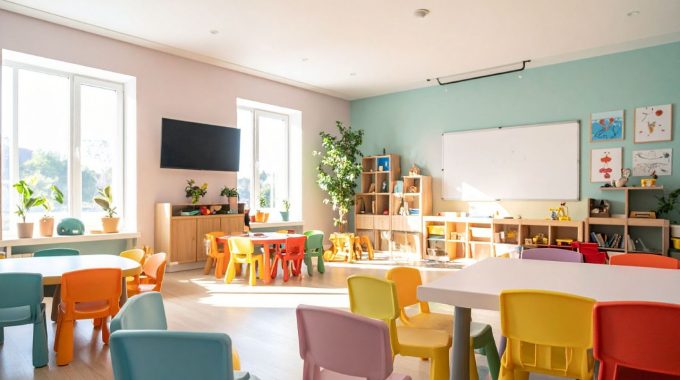
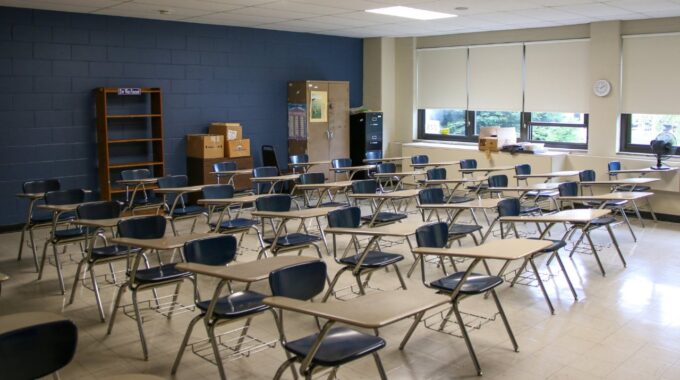
Students spend thousands of hours seated in classrooms, yet many still use fixed, ill-fitting desks and chairs that don’t support a healthy posture. Bad ergonomics means students are constantly trying to get comfortable, which leads to back and neck pain, lapses in concentration and a disrupted classroom environment.
The reality is that uncomfortable kids struggle to learn. Badly designed furniture encourages slouching and forward-head posture, which can strain developing spines and ingrain habits that are difficult to undo later. Inappropriate furniture is also to blame for reduced participation and information retention – small daily losses that accumulate and can cause reduced learning outcomes over time.
Ergonomic, adjustable furniture aligned to a student’s body ensures these issues don’t occur – supporting neutral posture and better circulation and emotional regulation so students remain alert, focused and ready to learn.
What to prioritise from day one: height-adjustable desks, lumbar-support chairs with the right seat depth and foot support, and flexible, mobile layouts that shift quickly between independent work and collaboration.
Why Ergonomics Matters in Australian Schools
Proper ergonomics lowers postural strain on the back, neck, and shoulders and helps prevent discomfort that can distract from learning. It’s recommended schools provide multiple seating positions and arrangements for students throughout the day to minimise musculoskeletal risks. This makes adjustable, well-sized desks and chairs a healthy choice for students and teachers alike.
How to Size Student Desk Chairs and Desks Correctly
Aim for feet flat on the floor, hips and knees near 90°, and forearms supported without shoulder shrugging to encourage a neutral posture at the desk during writing and device use. Since student sizes vary, select ranges or adjustable options so classes can accommodate growth and diversity without forcing students into uncomfortable positions.
Quick Sizing Guide
Early Primary (Prep–Year 2)
- Use lower seat and desk heights.
- Make sure feet touch the floor and shoulders stay relaxed during writing.
- Test a small range of sizes in composite classes.
Upper Primary (Years 3–6)
- Include more height variation.
- Adjustable desks work well in mixed-age rooms or for frequent device use.
Secondary (Years 7–12)
- Provide taller seat and desk options.
- Adjustable setups support diverse heights and longer seated periods.
Choosing Student Desk Chairs: Features to Prioritise
Select chairs with supportive backrest contouring, stable frames, wipe-clean finishes, and stackability for quick reconfiguration between activities or group work across the day. Adjustable height options for older students help maintain neutral shoulders and supported forearms during reading, writing, and laptop use.
- Supportive backrest that follows the lumbar curve and encourages upright posture.
- Seat height options matched to students; consider adjustable models for upper years or mixed classes.
- Durable, easy-clean surfaces with stackable or lightweight frames for quick classroom resets.
Product Pathways
- Browse Abax Kingfisher’s ergonomic classroom furniture to find age-appropriate chair options by cohort and task type.
- For staff rooms, breakout areas, or senior study zones, explore task chairs for greater adjustability and comfort.
Ergonomic School Desks That Support Posture and Learning
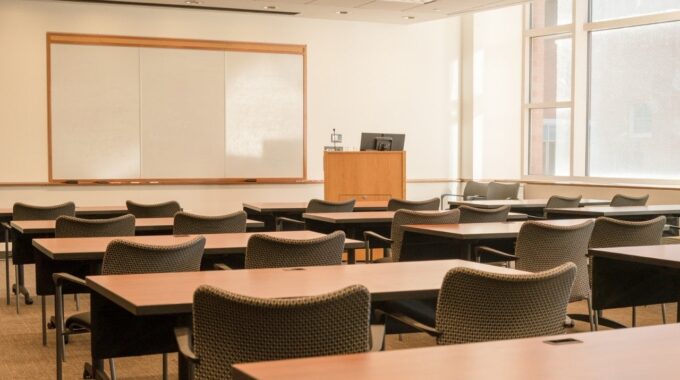
Height-adjustable school desks help align elbow height and desk surface to reduce shoulder elevation and neck strain during device and writing tasks. Writable and stackable collaborative tables allow quick shifts between individual and group work without sacrificing appropriate desk height and legroom.
- Prioritise stability, rounded edges, and adequate clearance for devices and books to prevent awkward shoulder or wrist positions.
- Consider writable tops for brainstorming, feedback, and visible thinking during lessons and group tasks.
- Standardise height bands by year level where possible to simplify setup and teacher transitions.
Product Pathways
- Explore ergonomic classroom furniture to find tables suited to your year levels and teaching styles, including stackable shapes for flexible layouts.
- Pair with teacher desks that support seated marking, standing instruction, and organised cable management for smoother daily workflows.
Teacher Desks: Comfort, Workflow, and Modelling Good Posture
Teacher desks should support both seated and standing work while keeping everyday items within easy reach. A well-designed setup maintains clear sightlines for supervision and allows free movement around the room. Built-in cable management and ample surface space help reduce clutter and prevent awkward postures when moving between marking, laptop work, and class instruction.
Flexible and Inclusive Seating to Boost Engagement
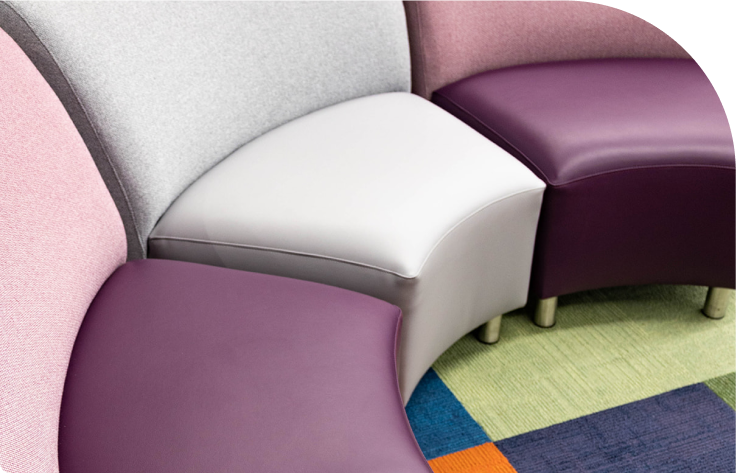
Flexible layouts that let students change posture can reduce discomfort and support focus when paired with structured lesson flows and posture breaks. Combine stackable tables, varied chair sizes, and soft seating zones to accommodate diverse needs while reserving posture-critical chairs for writing and assessment tasks.
Implementation Checklist and Next Steps
Before introducing new ergonomic classroom furniture, start with a quick audit to spot any posture issues or discomfort by year level and activity type. Use these insights to guide your replacement plan.
- Audit Current Setups: Review existing chair and desk heights. Identify where students experience strain or poor posture.
- Trial and Feedback: Shortlist ergonomic options, test them in one or two rooms, and gather feedback from teachers and students before a full rollout.
- Document and Monitor: Record the ideal height settings for each cohort and include short posture reminders. Recheck setups as students grow or class groups change.
- Train Staff: Provide brief training on classroom setup and furniture adjustments to keep ergonomics consistent.
CTA: Ready to design healthier classrooms? Book a 15-minute Abax Kingfisher consultation to audit one room, select ergonomic furniture, and plan a low-risk pilot that improves student comfort and focus.
Related Posts