
Creating Comfortable Learning Zones for Primary Students
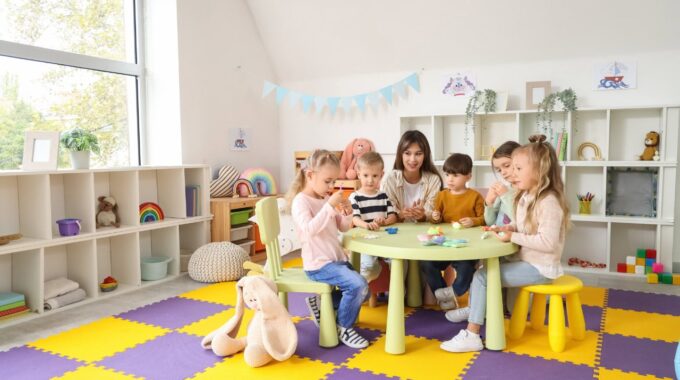
A primary classroom should be colourful, productive, fun, and welcoming, but achieving all of that in a single space is no small task. Within a single morning, a primary classroom shifts from teacher-led instruction to group work, partner reading, and quiet independent tasks, with each activity demanding a different arrangement and a different kind of support. The key to getting it right is choosing furniture that adapts to every part of the day.
At Abax Kingfisher, we understand that primary students need to move and that every classroom holds a wide range of learning styles. Varied, flexible furniture is what makes a classroom genuinely work for all of them.
Why Comfortable Learning Zones Are Key in Primary Classrooms
Primary school students move between teacher-led instruction, quiet work, tasks, and paired learning and collaboration. A single classroom layout does not support those shifts well. Creating zones makes better use of the available space and shapes the room around how students learn.
Simple zoning through furniture choice and layout creates areas for different tasks and makes the room organised. When students can move easily and access resources without disruption, the room functions smoothly.
Well-planned zones help with supervision, transitions and management. They make the classroom inviting and easier to engage with. Furniture and layout choices are important because students are still developing confidence, routines and independence.
What to Look for in Primary School Furniture
Start with understanding the demands of the classroom. School furniture needs to work in spaces that are active and used in different ways.
- Size and suitability: Tables, chairs and storage should be appropriate for the age group using the room.
- Durability: Primary classrooms are high-use environments, so furniture should be chosen with everyday wear in mind.
- Safety: Furniture that is stable and suitable for younger learners.
- Flexibility: Furniture that supports more than one layout.
- Storage: Helps control clutter and keeps resources accessible.
How Ergonomic Classroom Seating Supports Student Comfort
Primary-aged students are still growing, and poorly fitted furniture has a direct impact on their posture, concentration, and physical comfort. The wrong chair forces young bodies into awkward positions and for children who are already inclined to fidget and move, that discomfort accelerates restlessness and disengagement. Ergonomic seating sized for primary students supports correct posture and natural movement, making it easier for them to settle and stay on task.
A well-planned classroom takes this further by matching seating style to zone function. Structured, supportive chairs suit teacher-led instruction and independent desk work, while softer, more relaxed seating defines reading corners and informal group areas. For younger learners who respond strongly to environmental cues, furniture choice can signal how each part of the room is meant to be used and helps students transition between activities with less redirection.
The Key Zones in a Comfortable Primary Learning Space
Desk-Based Learning Areas
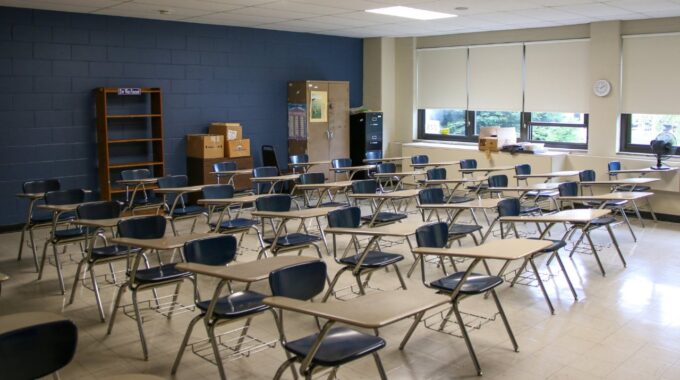
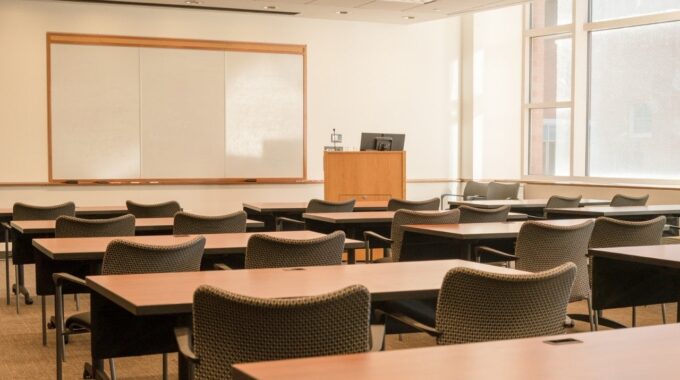
Desk-based zones are the areas used for structured lessons, written work, teacher-led instruction and independent tasks. Furniture in these spaces should support concentration and classroom organisation. Desks and tables should allow enough working space and support smooth movement between rows, groups or clusters. These zones should also be easy to adapt when needed.
Reading Corners and Quiet Spaces
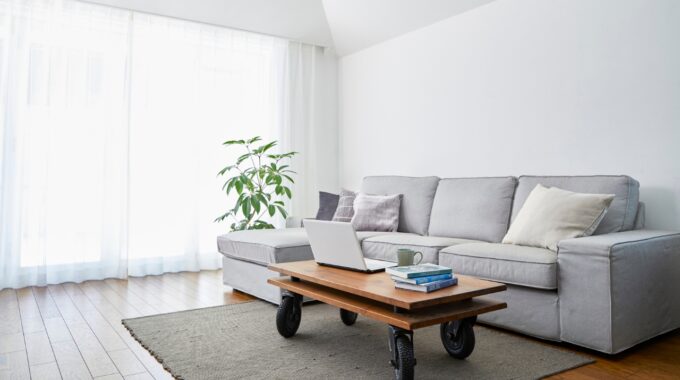
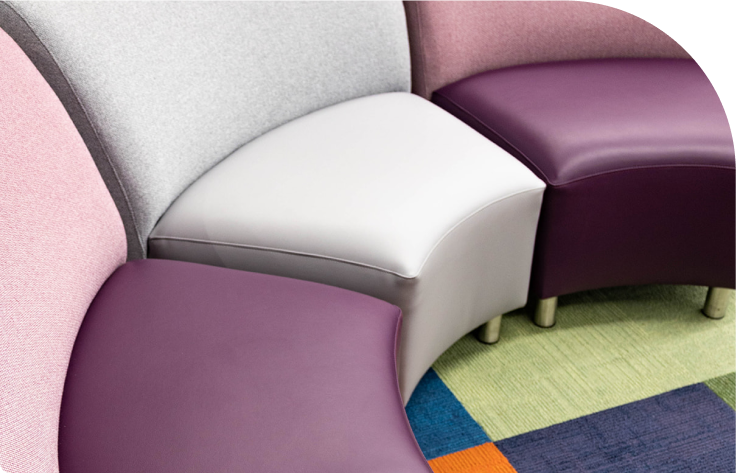
Reading corners and quiet zones gives a calmer area to use for independent reading or lower-energy activities. Soft seating, low shelving, display units and smaller tables help define the zone and make it welcoming. The goal is to create a distinct place for a quieter activity.
Collaborative and Small-Group Zones
Small-group and collaborative zones support shared tasks and pair-based learning. These areas encourage interaction while maintaining structure. Furniture in these zones should be practical and adaptable. Moveable tables, flexible seating and layouts allow quick regrouping, making the space easier to use.
Storage Areas
Well-designed storage keeps resources organised and reduces visual clutter. It makes routines efficient by accessing and returning materials with less disruption. Storage needs to support practicality and accessibility. Its placement influences how students move through the room and how teachers manage classroom resources.
Shared and Multi-Use Areas
Classrooms also include shared zones that serve more than one purpose. These support rotating group work, learning support sessions or mixed teaching formats. Furniture in these areas should be adaptable. The easier the space shift between uses, the more valuable it becomes. A flexible zone helps one room support several teaching needs.
How to Choose Furniture for Different Primary School Spaces
General Classrooms
General classrooms need furniture that supports teaching, student movement and classroom organisation. This includes desks or tables, seating, and storage. Furniture should help the room be structured while leaving space for transitions and varied learning formats.
Reading and Library-Adjacent Areas
Reading spaces benefit from furniture that is accessible and easy to use. This includes shelving, display storage, reading seating and smaller tables. These areas work when they are clearly defined. A strong layout makes the zone purposeful without making it isolated.
Breakout and Small-Group Spaces
Breakout areas need furniture that is easy to rearrange and suits different group sizes and activities. These spaces are used for collaborative learning, support work, small-group discussion or independent tasks.
Multi-Purpose Learning Environments
Schools rely on spaces that are adaptable. A room should support different year levels or multiple styles of teaching. In these environments, furniture should be versatile and durable. Plan with long-term use in mind to choose solutions that are effective as classroom needs evolve.
Planning a Learning Zone That Works for Students and Staff
Schools need layouts that support supervision, movement, access to resources and daily classroom routines.
A classroom can be welcoming and flexible while being practical to manage. Also, classrooms change over time, and furniture that can adapt to new layouts or new uses gives you more value.
Working with education suppliers in Sydney like Abax Kingfisher helps you connect your furniture choices with real classroom planning goals. A collaborative approach makes it easier to choose furniture that suits the needs of both your staff and students.
Why the Right Primary School Furniture Supplier Makes a Difference
Choosing furniture is easier when working with a supplier that understands daily classroom reality. At Abax Kingfisher, we work alongside schools to think through how different furniture pieces work together, how layouts affect day-to-day classroom use, and how to match products to a specific year level or learning setting.
This practical knowledge reduces guesswork and turns what can be an overwhelming process into a clear, confident set of decisions. Working with experienced primary school furniture suppliers like us means you’ll get a practical and fun classroom that both students and teachers love.
Contact Abax Kingfisher to discuss primary school furniture or browse our school furniture for modern education spaces.
Related Posts