
How to Choose School Furniture That Supports Better Learning
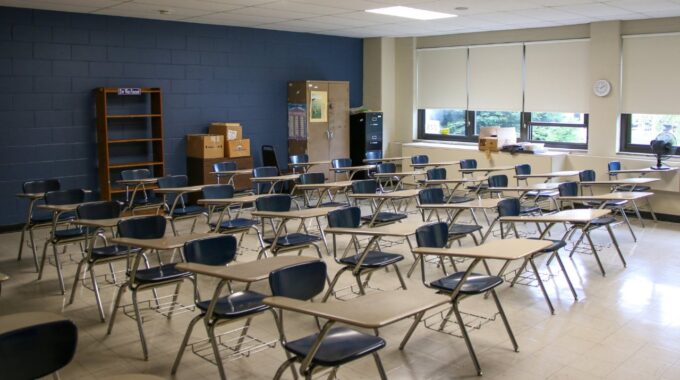
The right school furniture in Australia can support better learning by shaping how students feel, behave, and focus. School furniture improves comfort, movement, and classroom flow so teachers can manage lessons effectively and students can stay engaged for longer.
When choosing school furniture, focus on ergonomics, durability, flexible layouts, and suppliers who understand Australian education environments. Classroom furniture should support healthy posture, reduce fatigue, keep resources organised, and make it easier to move between explicit teaching, group work, quiet study, and hands-on learning.
Furniture also works best as a coordinated system where desks, chairs, storage and soft seating designed to complement each other make it easier to reconfigure spaces quickly, maintain clear sightlines, and create defined zones for different activities. Research on active learning classrooms confirms that it is the configuration of furniture, how pieces relate and move together, that most directly influences learning outcomes.
As an education furniture specialist, Abax Kingfisher partners with schools across Sydney, regional New South Wales, and Australia to create future-ready learning spaces. Our team provides free 3D design support, education-focused planning, and products for classrooms, libraries, breakout areas, and staff spaces, backed by industry certifications that reflect a strong commitment to quality, safety, and sustainability.
By combining design advice with durable, education-specific furniture, Abax Kingfisher helps schools make confident decisions that support better learning outcomes.
Start With Classroom Needs
Before selecting desks, chairs, or storage, define how the room needs to function. A primary classroom, a high school classroom, a library, and a STEM space need different layouts, sightlines, and furniture types.
- How many students use the room each day?
- What age group is the furniture for?
- Does the space need to support explicit teaching, group work, independent work, or other tasks?
- How much storage is needed for books, devices, bags, and specialist resources?
Early planning helps schools avoid buying furniture that looks suitable in a catalogue but does not perform well in daily use. It also creates clear circulation paths, strong teacher visibility, and calm transitions between activities.
Abax Kingfisher’s school furniture covers primary and high school classrooms, libraries, breakout areas, and specialist spaces for schools that want consistency across multiple learning environments.
Choose Student Furniture for Comfort and Focus
Student furniture should match student size, support posture, and allow comfortable movement. When chairs and desks are the wrong height or shape, students are likely to fidget, slump, or lose focus during lessons.
AS/NZS 4610 includes size-mark guidance for school and education chairs and tables so furniture can be matched to student stature and working height. When reviewing student desks and chairs, schools should look for:
- Height options suited to different year levels.
- Supportive backs and ergonomic seat shapes.
- Stable frames and tested durability.
- Stackable or mobile options for effortless room resets.
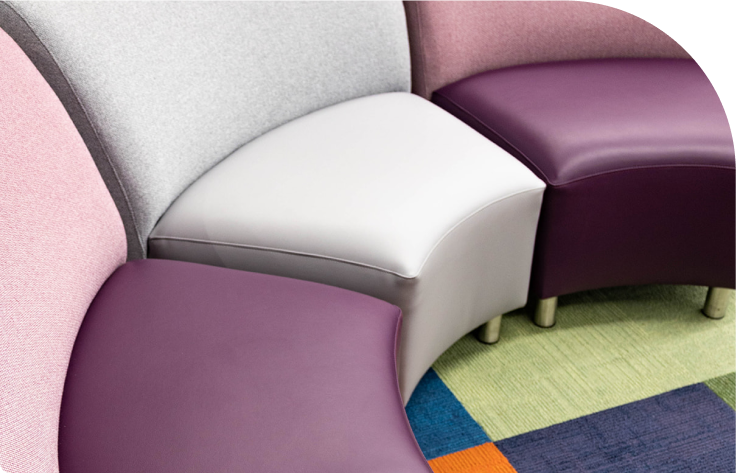
Flexible seating can also help improve classroom comfort when used with purpose. Abax Kingfisher’s education furniture includes student desks, classroom chairs, collaborative seating, bean bags, and ottomans, giving students and teachers options for different tasks.
Prioritise Durability for Long-Term Value
School furniture needs to cope with constant movement, heavy use, and regular cleaning. In classrooms, libraries, and staff areas, weak materials or poor construction can lead to instability, rapid wear, and high replacement costs.
When comparing school furniture suppliers, focus on:
- Strong frame construction and stable joinery.
- Commercial-grade board materials and durable finishes
- Easy-clean surfaces.
- Clear warranty support and after-sales service.
Abax Kingfisher also offers sustainable materials such as Susta-Board, a 100 per cent recycled, E0 commercial-grade particleboard made in Australia for schools trying to balance durability with sustainability goals.
Build Flexible Learning Spaces
Modern classrooms need to support different teaching modes. Teachers move from direct instruction to guided group work, independent practice, and collaborative discussion. Mobile tables, stackable chairs, moveable whiteboards, and modular seating allow teachers to reconfigure the room quickly while maintaining clear access and visibility.
A flexible layout should include:
- A clear teaching focal point visible to all students.
- Space for both individual and group work.
- Uncluttered walkways that support accessibility and supervision.
- Furniture that can be moved or nested without excessive effort.
Abax Kingfisher’s collaborative seating, mobile furniture, and free 3D planning help schools see how a new layout could work before committing.
Don’t Overlook Classroom Storage
Classroom storage helps keep resources accessible, reduces visual clutter, and supports safe movement around the room.
- Tote tray units for shared and individual resources.
- Mobile trolleys for teaching tools and devices.
- Art dryers and specialist storage for creative learning spaces.
- Bag and tote storage to keep floors and accessways clear.
When storage is planned as part of the full room layout, teachers spend less time managing clutter and more time teaching. Students also easily transition between activities when materials have a clear and consistent place.
Schools should also review school office furniture for staffrooms, administration areas, and teacher workspaces.
How Our Furniture Works Together
When designing classroom layouts, individual furniture choices are important but the best results will come from a system that works cohesively. Research on active learning classrooms found that it is furniture configuration that most directly influences learning outcomes, not individual product selections in isolation.
In practice, this means:
- Consistent height relationships between desks, chairs and collaborative tables so students can move between them without adjustment
- Shared colour and finish palette so spaces feel cohesive rather than assembled from unrelated pieces
- Complementary mobility — lightweight mobile chairs pair with tables on castors so the whole room resets quickly
- Zoning that works together — soft seating, focused pods and open collaborative areas positioned so transitions between them are natural and low-disruption
This is why Abax Kingfisher’s consultation process starts with your entire space. Our in-house design team plans classroom, library, breakout and staff areas together, using free 3D layouts so schools can see how furniture relationships work before committing to purchase. The result is a learning environment designed as a single coordinated solution.
Contact Abax Kingfisher today for a free consultation and 3D layout so you can see how your learning spaces could work before you commit to purchase.
Related Posts