
Why Flexible Classroom Furniture Is the Future of Education
Why Flexible Classroom Furniture Is the Future of Education
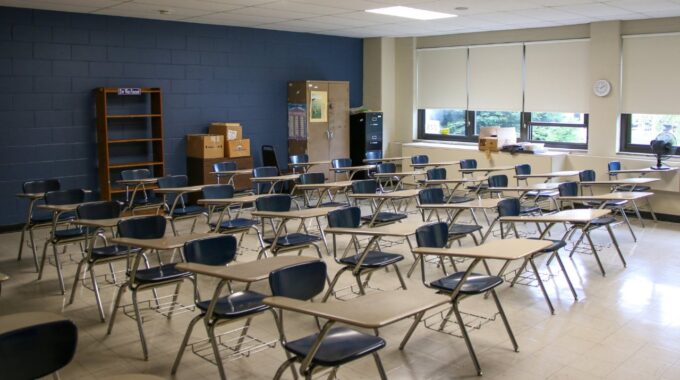
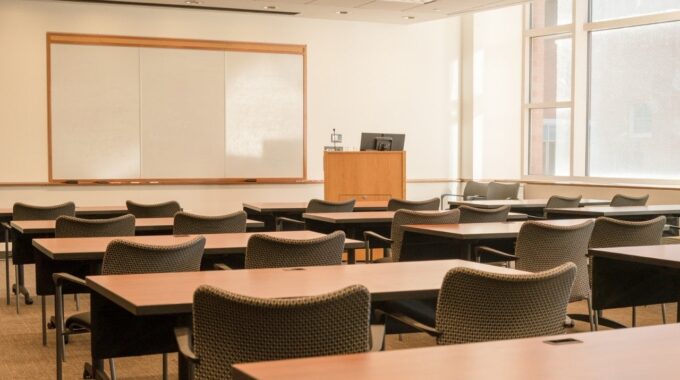
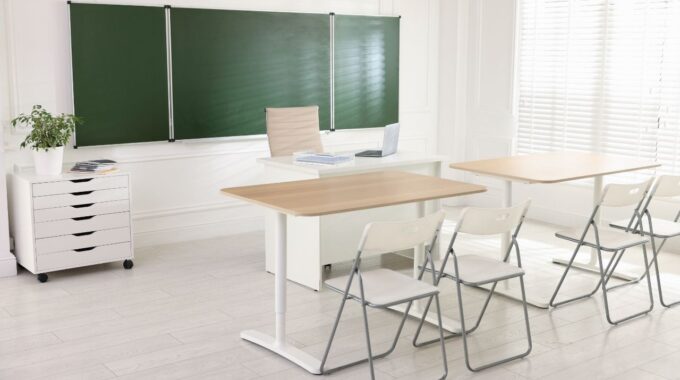
Learning today looks very different – and so do classrooms. Today’s classroom furniture needs to support focused listening, hands-on problem solving, tech integration, collaborative tasks, and everything in between. Flexible classroom furniture helps teachers move smoothly between these modes without wasting time on heavy lifting or complex room changes.
A single lesson might move from a short explicit teaching segment to group enquiry, then into device‑based research, followed by reflection or quiet study – all within one class. Flexible classroom furniture is designed to flow with the lesson. It needs to be modular, mobile and multifunctional, so teachers can quickly reconfigure layouts for whole‑class discussions, small‑group projects, individual work, or blended learning. Guidance on modern learning spaces increasingly highlights reconfigurable furniture as a key enabler of active learning and collaboration.
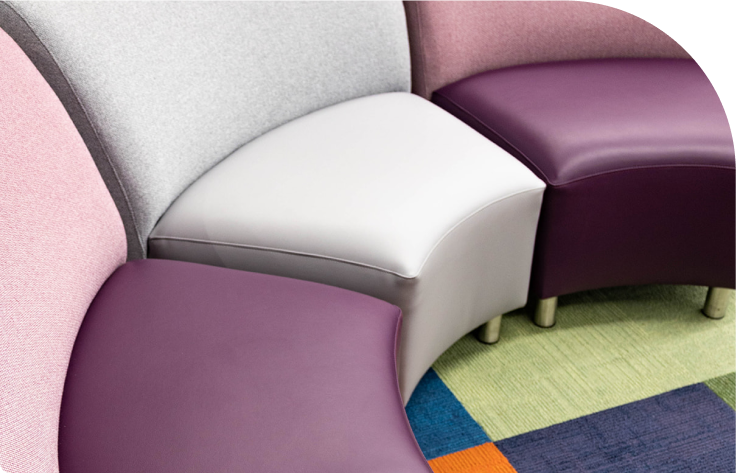
The right furniture also supports inclusion and wellbeing. Height‑adjustable tables, varied seating options, and break‑out spaces can help accommodate different bodies, sensory needs, and learning preferences, making it easier for all students to participate comfortably and confidently. Abax Kingfisher offers a large range of flexible classroom furniture – from mobile tables and stackable seating to writable surfaces and breakout pieces – so schools can adapt to modern teaching without major construction work.
How Flexible Furniture Helps Teachers
Modern classrooms often need to support individual work, partner tasks, and group projects across different lessons and subjects. In many Australian schools, the same room may need to shift from whole‑class explicit teaching to small‑group enquiry to device‑based research and quiet reflection – sometimes all within one period.
Flexible classroom furniture makes these transitions smoother. Modular, mobile tables and stackable or lightweight seating mean teachers can quickly reconfigure layouts for a carpet‑time discussion, group problem‑solving, or independent study, without dragging heavy desks or causing long interruptions. Studies of flexible and active learning spaces report that reconfigurable furniture supports more collaborative teaching approaches and can reduce the effort teachers spend managing room setup.
This flexibility also helps with inclusion and behaviour. Teachers can create breakout zones, adjust table heights, or vary seating options to support different sensory needs and learning preferences, reducing friction and making it easier to keep students focused, calm, and engaged. Research on flexible seating has linked increased student choice and movement with higher engagement and fewer behaviour issues, especially when students can select the seating that best supports their focus.
Using Flexible Furniture to Create Adaptive Learning Spaces
An adaptive learning space does not have to be open‑plan or involve major structural change. It can be created in a single room by using flexible classroom furniture and a few simple design choices to form practical zones within the space.
A practical zoning setup can include:
- Main teaching zone: A clear area where every student can see the teacher and the main board, with mobile tables and stackable chairs that reset easily for explicit teaching.
- Collaboration zone: Tables and chairs that can be grouped for team projects and discussions, then split apart again for independent work or assessments.
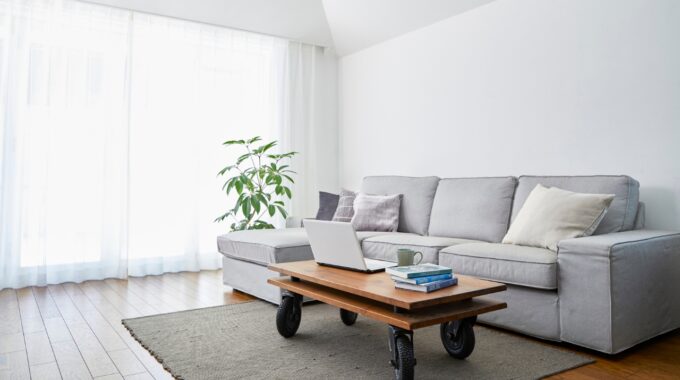
- Quiet corner: A soft, calm space for independent reading or a quiet reset, using low‑profile seating or soft furnishings.
- Small‑group area: A dedicated spot for focused support or conferencing, set up with a small table and a few easily moved chairs.
If your room is small, focus on just two or three zones and use storage and mobile pieces. Many future‑focused learning designs use this kind of zoning to support different activities across the day while still working within existing classrooms.
Within these zones, a few standard layouts can cover most teaching needs:
- Whole‑class teaching (default): Chairs face the main teaching wall for clear instruction.
- Small groups: Desks grouped for collaboration and projects.
- Discussion circle / U‑shape: Desks form a U or circle for discussion and presentations.
- Independent work: Desks separated to reduce distraction for tests or quiet work.
To make these layouts work day‑to‑day, it helps to agree on a simple routine: start from one default layout, shift once for the main activity, then reset to default in the last few minutes so the room is ready for the next class.
What to Look for When Buying Flexible Classroom Furniture
For a classroom to be truly flexible, furniture should support reconfiguration, durability, and practical supervision. When evaluating options, focus on features.
Look for:
- Easy to move: Lightweight pieces or furniture on wheels.
- Easy to store: Items that stack or nest to free up floor space.
- Easy to combine: Modular pieces that work alone or group together to form zones.
- Easy to clean: Durable, wipeable surfaces for daily school use.
- Built‑in storage: Shelves, bins, or carts that give supplies a defined “home”.
- Clear sightlines: Layouts that support monitoring and safe movement throughout the room.
These features make it easier to create adaptive learning spaces that can change quickly between lessons while still meeting school requirements for safety, supervision and longevity. When you are ready to compare options, Abax Kingfisher’s classroom furniture range offers a variety of modular, mobile pieces designed for modern teaching.
A Quick Guide: Match Your Problem to the Right Furniture
Here’s a simple way to choose furniture based on the problems you need to solve.
| If your problem is… | Look for… | You’ll get… |
| Slow, disruptive transitions between activities | Furniture that’s lightweight and easy to move | Faster changeovers and less wasted time |
| Constant clutter and lost supplies | Storage with clear, designated places for everything | Quicker room resets and a calmer environment |
| Too much noise and off‑task movement | Furniture that helps define zones and supports consistent layouts | Clearer expectations and smoother class flow |
| Not enough floor space | Items that stack or nest together | More open space when you need it |
| Multiple grades using the same room | Modular pieces that can be rearranged and adjusted in size | Furniture that works well for different age groups |
Planning a pilot room this term? Browse Abax Kingfisher’s classroom furniture range for mobile tables, collaborative settings, and storage solutions that support adaptive learning spaces.
A Practical Plan to Start Small and Scale Up
A phased rollout reduces risk before investing across the whole school. Many schools start with a single pilot space, gather feedback, then expand using the same layout patterns.
Steps:
- Start with a focus area: Identify one year level or department and the biggest daily friction (transitions, clutter, behaviour hotspots).
- Run a single pilot: Furnish one classroom to support at least two core activities well (for example, whole‑class instruction and group work).
- Build the routine: Assign clear student roles for moving and resetting furniture, and agree on default layouts.
- Track what changes: Note the time to transition, reset quality, teacher workload, and how well different subjects can use the room.
- Expand with consistency: Roll out more rooms using the same layout names and zoning rules, so students and staff know what to expect.
How Abax Kingfisher Supports Flexible Classrooms
Abax Kingfisher can design, supply and install complete furniture solutions for education environments. You can receive a free quote and unlimited 3D designs to help you visualise the space before committing, making it easier to get buy‑in from school leadership and staff.
If your goal is a classroom that teachers can use effectively every day, a good next step is a planning session. This turns your teaching needs and room constraints into a practical layout, a furniture list, and a rollout plan that fits your budget and timeframes. To explore furniture for your next classroom project, browse the classroom furniture range. For other spaces like staff areas, meeting rooms, and offices, the school office furniture collection may also be relevant.
To explore furniture for your next classroom project, you can browse our classroom furniture range. For other spaces like staff areas, meeting rooms, and offices, our school office furniture collection may also be relevant.
Related Posts