
Boost Student Focus with the Right Classroom Layout & Furniture
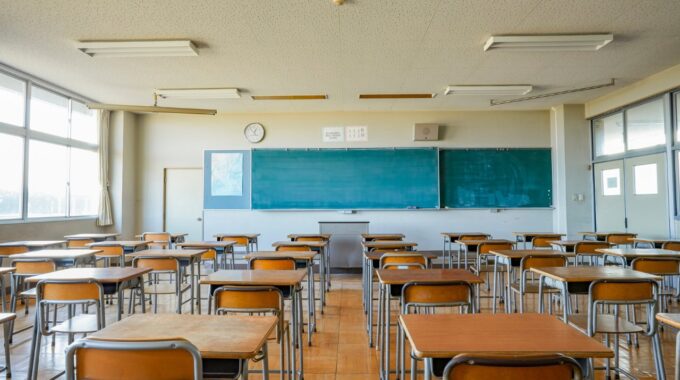
The way a classroom is arranged has a direct and measurable impact on student focus, behaviour, and learning outcomes. Research shows that well-designed learning spaces can improve student progress by up to 16% in a single year, while poor design can set students back by a similar margin. Effective classroom layout ideas combine smart zoning, clear sightlines, and the right furniture, allowing teachers to spend less time managing behaviour and more time teaching.
For schools working with tight budgets and small rooms, furniture and layout changes are one of the most powerful and cost-effective levers available. You don’t need a full renovation to see results; even targeted adjustments like creating defined focus zones, improving sightlines to the board, and swapping fixed desks for flexible alternatives can meaningfully lift student attention and reduce classroom disruption.
What the Research Says About Classroom Design and Engagement
- Classrooms with intentional, student‑centred layouts see higher levels of engagement and on‑task behaviour.
- Seating arrangements influence participation and academic performance. Some layouts support cooperative work, while others support individual focus.
- Good classroom design, including lighting, acoustics and reduced clutter, is linked with better concentration and improved learning outcomes.
When students can see, hear and move comfortably, and when the room supports the type of work they are doing, they are more likely to stay engaged.
Principles of Classroom Layout for Student Focus
- Clear lines of sight: Every student should easily see the teacher, whiteboard or display without twisting or straining.
- Defined zones: Separate areas for whole‑class instruction, group work and quiet independent tasks set clear expectations and reduce noise.
- Uncluttered pathways: Students and teachers can move around the room without squeezing between furniture, which reduces disruption and improves behaviour.
- Ergonomic seating and desks: Comfortable, age‑appropriate furniture supports posture and concentration during longer lessons.
Choosing Classroom Furniture for Concentration
- Ergonomic design: Chairs shaped to support the natural curve of the spine, paired with desks at appropriate heights for each age group.
- Subtle mobility with stability: Light, stackable or mobile chairs and tables that students can move quickly.
- Noise‑reducing construction: Frames and glides that minimise scraping and banging when students stand, sit or move.
- Durability with long warranties: High‑quality frames and surfaces for daily use, backed by extended warranties to protect your budget.
Abax Kingfisher’s classroom chairs offer ergonomic, school‑ready options for primary and high school students, supporting focus throughout the day.
Flexible Classroom Furniture: When It Helps and How to Use It
Flexible seating and flexible classroom furniture offer students different options that can improve comfort, concentration and participation.
Flexible seating works best when:
- It is linked to clear routines and expectations.
- The room has a defined focus zone for explicit teaching and assessments.
- Furniture choices match the task: stable chairs and desks for writing and exams, and soft seating for reading or collaborative work.
Classroom Layout Ideas for Australian Classrooms
1. Focus‑First Rows with Collaboration Corners
- Front of the room: Shallow rows or chevron‑shaped desks, so every student can see the board and teacher clearly.
- Rear or side of the room: A cluster of tables or soft seating for small‑group work and peer tutoring.
During explicit teaching or tests, everyone sits in rows. For group tasks, students move to the collaboration corner, reducing noise and traffic.
2. Pods for Collaborative Learning with a Quiet Zone
- Desk pods in the centre of the room for group tasks and discussions.
- A quiet zone along one wall with individual desks or carrels where students who need extra concentration can work during independent tasks.
Teachers can direct students to the zone that suits their learning and behaviour needs without constantly moving furniture.
3. U‑Shape for Discussion‑Rich Lessons
- Desks arranged in a U‑shape or horseshoe, with the open end facing a whiteboard or display.
- The teacher moves within the U, maintaining eye contact with every student and quickly checking work.
Layouts that support visibility and teacher circulation improve participation and help manage behaviour in discussion‑heavy subjects.
Classroom Design Mistakes to Avoid
- Over‑decorating walls: Too many posters and displays around the teaching wall can distract students. Aim for a calm front‑of‑room area and rotate displays.
- Blocking movement paths: Placing furniture where students constantly squeeze past one another increases noise and off‑task behaviour. Check that there is a clear path from the door to the board and around key zones.
- Going “all in” on flexible seating overnight: Changing every seat without routines can create chaos. Start with one or two flexible zones and build expectations before scaling up.
- Ignoring storage: Even the best layout fails if resources, devices and bags spill into walkways. Plan storage at the same time as seating.
Using Classroom Storage to Reduce Clutter and Cognitive Load
Studies on classroom environments highlight that cluttered rooms can distract students, while ordered spaces support better attention.
Smart classroom storage supports focus by:
- Keeping books, devices and resources out of students’ direct line of sight until needed.
- Reducing trip hazards and congestion around bag racks or device trolleys.
- Making it easy for students to pack up quickly, shortening transition times.
Abax Kingfisher classroom storage includes tray units, trolleys, teacher walls, art dryers and mobile storage tailored to school environments.
Age‑Appropriate Design: Primary vs High School Classroom Setup for Better Focus
For primary classrooms:
- Open floor space for mat time, movement and hands‑on activities.
- Low tables and chairs for developing bodies, with bright, inviting colours to define zones.
- Abundant storage for readers, manipulatives and art supplies to keep surfaces clear.
View Abax Kingfisher’s primary classroom furniture
For high school classrooms:
- Robust, ergonomic chairs that remain comfortable across multiple periods.
- Layouts that switch quickly between individual, group and exam configurations.
- Furniture that works with devices and STEM tasks. Durable, easy‑clean tables and seating that supports writing and laptop use.
Explore our high school classroom furniture
Why Partner With Abax Kingfisher for Student Engagement Furniture
Abax Kingfisher has been working with schools across Sydney and NSW for over 35 years, supplying and installing education furniture for classrooms, libraries, STEM spaces and staffrooms.
Schools choose Abax Kingfisher because:
- Our team specialises in education spaces and understands student, teacher and leadership priorities.
- Our furniture is durable and backed by long warranties to protect school budgets.
- We provide layout advice, 3D design support, product selection guidance and full delivery and installation.
Create classrooms that support student focus and engagement. Contact Abax Kingfisher today to discuss classroom layout ideas and flexible furniture options for your school, or request a tailored 3D layout and furniture proposal for your next upgrade.
Related Posts