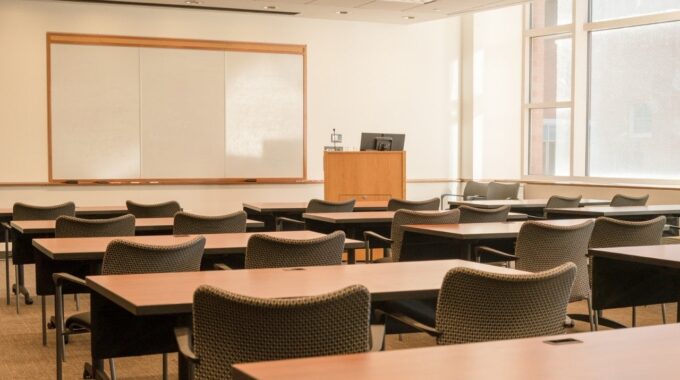
Australian schools are reimagining what a classroom looks like and furniture is key to this transformation. The days of rigid rows and one-size-fits-all desks are giving way to dynamic, purpose-built environments designed around how students actually learn.
At Abax Kingfisher, we’re seeing this transformation firsthand. Educators and facilities managers across Australia are moving beyond individual pieces and thinking holistically about how desks, chairs, storage, and breakout zones interact to shape focus, collaboration, and wellbeing throughout the school day.
The school furniture trends driving 2026 reflect that bigger ambition: flexible layouts that adapt in minutes, ergonomic designs that support growing bodies, robust materials built for real classroom conditions, and outdoor learning spaces that extend education beyond four walls.
Together, they point to a smarter, more human-centred approach to school design, one where the environment actively supports learning rather than working against it.
Why School Furniture Makes an Impact on Learning
The physical environment shapes behaviour and in a classroom, that influence is constant. Research consistently shows that students who are comfortable, physically supported, and able to move naturally throughout the day demonstrate better focus, higher engagement, and improved retention. Furniture is an active variable in how well teaching and learning actually happen.
Modern classrooms are no longer single-mode spaces. A room might shift from direct instruction to small group collaboration to independent work within a single lesson. Older-style, less flexible furniture leads to wasted transition time, awkward configurations, and environments that are uncomfortable to learn in.
At Abax Kingfisher, we understand that the right furniture contributes directly to the success of a learning institution. Ergonomic chairs reduce physical fatigue during long blocks. Modular desks allow teachers to reconfigure layouts in under a minute. Thoughtful storage keeps shared spaces functional. Each decision compounds, which means a well-designed classroom reduces cognitive load and lets both teachers and students focus on what matters most.
Flexible Classroom Furniture Is Now a Priority
Layouts That Support Different Teaching Styles
No two lessons look the same. A Year 3 literacy session, a secondary science debate, and a STEM project block each demand a different spatial arrangement. Furniture that you can reposition quickly gives teachers real control over how the room functions.
Modular Tables and Movable Seating
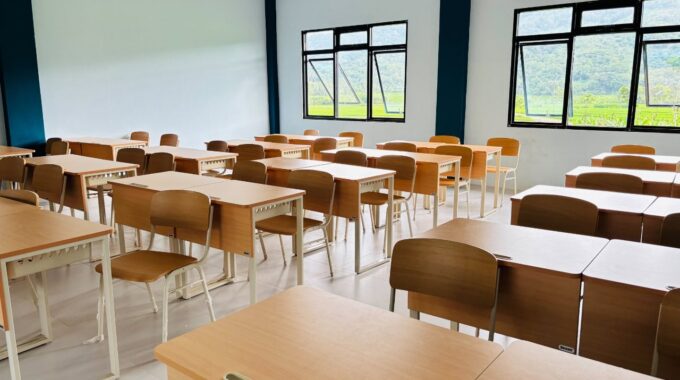
Modular tables are the backbone of a flexible classroom. They configure into rows, pairs, horseshoes, or shared work zones depending on the activity. Paired with lightweight, stackable seating, they allow a full reconfiguration in under a minute making transitions a practical reality.
Supporting the Full Range of Classroom Activity
The best layouts facilitate both concentration and interaction. Students need an environment that supports quiet independent work just as readily as it supports discussion and collaborative tasks. Flexible furniture makes both possible within the same room.
Ergonomic Educational Furniture Is Supporting Comfort
Age-Appropriate Seating and Desk Design
Physical needs vary significantly across year levels. A desk height suitable for a Year 2 student creates discomfort for a Year 10 student, and vice versa. Age-appropriate school furniture ensures students are seated correctly, which directly affects posture, energy levels, and the ability to focus across a full school day.
Comfort, Posture, and Sustained Focus
Poorly fitted furniture becomes a distraction that can cause students to fidget, shift, and disengage. Ergonomic seating and correctly proportioned desks remove that friction, creating a settled environment where students can direct their attention to learning rather than physical discomfort.
Furniture That Performs Across a Full School Day
Classrooms cycle through multiple activities, year levels, and users every day. Furniture needs to hold up under that pressure while remaining comfortable and easy to use. Schools are looking for ergonomic choices that balance support and durability.
Durable Materials Are Shaping Smarter Furniture Decisions
Built for High-Use Environments
A classroom chair or table endures hundreds of interactions each week. Construction quality directly affects how a space holds up over time. Investing in well-constructed furniture means fewer replacements and more reliable performance.
Easy-Clean Finishes That Support Presentation
Furniture with easy-clean surfaces reduces the time and effort needed for routine maintenance, keeping spaces looking professional without adding burden to school staff. Scratch-resistant tops and stain-resistant fabrics are increasingly standard in 2026 school fit-outs.
Long-Term Value Over Upfront Cost
Schools are moving away from a lowest-price-wins approach. A cheaper option that requires replacing in three years costs more than a quality piece that lasts ten. Facilities managers are factoring in lifespan, maintenance demands, and suitability for purpose when evaluating cost – a smarter approach that delivers better outcomes over time.
Classroom Storage Is Becoming Part of the Furniture Plan
Storage That Improves Classroom Organisation
Clutter undermines teaching flow. When materials are hard to access or the room feels disorganised, it affects how smoothly lessons run. Integrating storage into the furniture plan keeps resources accessible and spaces easier to manage.
Mobile and Space-Saving Options
Mobile storage units allow resources to move where they’re needed, supporting flexible layouts without creating fixed zones. Trolleys, caddy systems, and wheeled shelving are practical in classrooms that reconfigure frequently. In smaller classrooms or multi-use spaces, low-profile and wall-mounted options preserve valuable floor space while maintaining clear sightlines, which matters for both supervision and the overall feel of the room. Built-in storage benches and under-desk drawers are also worth considering, as they consolidate organisation without adding footprint. The right storage solution works with the layout rather than against it.
Collaborative Zones and Soft Seating Are Expanding
Informal Learning Areas That Add Real Function
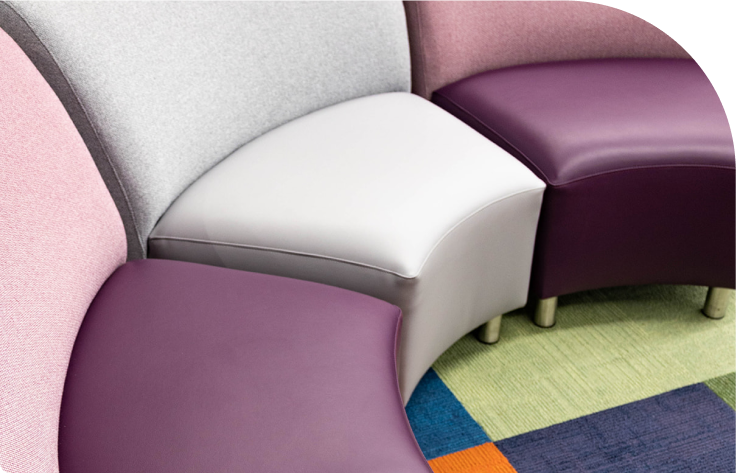
Breakout zones and reading corners are becoming standard practice in every classroom. Soft seating creates areas suited to reading, reflection, small-group discussion, and peer collaboration, giving students a change of setting that supports different cognitive modes.
Supporting Different Activities Without Losing Practicality
The goal isn’t to fill a room with varied furniture for aesthetic reasons but to create a genuine layout that transforms with the day. A well-placed breakout zone reduces pressure on the main classroom layout and gives teachers another tool for differentiation. These spaces work best when they’re purposeful, comfortable, and easy to supervise.
Outdoor Education Furniture Is Growing in Importance
Activating Outdoor Learning Spaces
Outdoor furniture supports structured group learning, informal discussion, and student wellbeing across breaks and lessons alike. Many Australian schools have underutilised external spaces that, with the right furniture, become productive extensions of the learning environment — useful for science sessions, reading groups, and student gatherings.
Choosing Furniture Suited to Australian Conditions
Outdoor school furniture in Australia needs to handle UV exposure, humidity, temperature variation, and heavy daily use. Timber, powder-coated steel, and UV-stabilised plastics are among the materials worth specifying. Working with experienced education furniture suppliers in Sydney ensures selections are suited to local conditions and built to last in outdoor settings.
What Schools Should Look for When Choosing Australian Classroom Furniture
Flexibility, Durability, and Ease of Maintenance
These three qualities define furniture that performs long-term. Flexibility supports modern classroom life, durability protects the investment, and easy maintenance ensures the space stays functional without adding to staff workload.
Fit-for-Purpose Design Across Year Levels
There’s no universal solution. Early learning environments prioritise sensory-friendly materials and smaller furniture. Primary classrooms need lightweight, reconfigurable pieces. Secondary spaces often require larger work surfaces and more varied seating. Understanding those distinctions leads to better purchasing decisions and better classroom setups.
Planning Support, Delivery, and Installation
The furniture itself is one part of the outcome but the planning process shapes how well it all comes together. Abax Kingfisher supports schools through design consultation, 3D layout planning, supply, and installation, making it easier to achieve a cohesive, functional result from the start.
Choosing School Furniture for Future-Ready Australian Classrooms
The trends shaping 2026 point in a clear direction: classrooms that are flexible enough to support diverse teaching styles, comfortable enough to sustain focus across a full day, and durable enough to perform across years of heavy use. Schools that invest in purposeful furniture create environments where both teaching and learning can genuinely thrive.
Browse our school furniture or contact us to explore solutions for modern Australian classrooms.