
How to Design an Engaging School Library with the Right Furniture
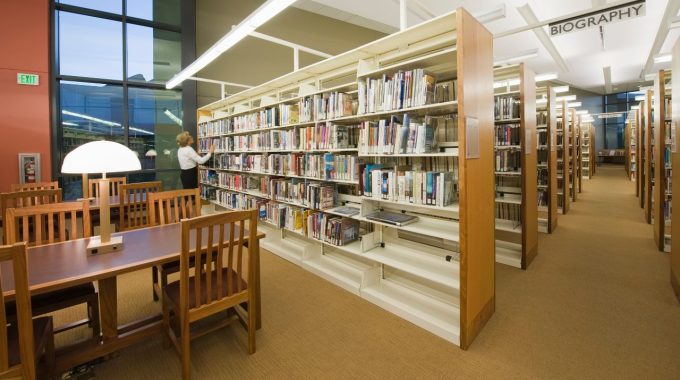
A modern school library is so much more than a place to store books; it’s the inspirational heart of any education space.
A well-designed library sparks curiosity, fuels creativity, and encourages students to collaborate. The right environment transforms the library into a welcoming hub where every learner feels empowered to explore, discover, and connect.
By choosing school library furniture that is flexible, ergonomic, and adaptable, schools can support a wide range of learning styles.
Whether you’re creating spaces for quiet study, group projects, or hands-on activities, the right furniture selection ensures every student finds a comfortable space to engage in their learning.
Why School Library Furniture Matters
Unlike traditional classrooms, libraries must accommodate all sorts of activities, from independent reading and group study to tech-based research and multimedia projects. That’s why furniture for school libraries needs to be flexible, durable, and designed to support quiet focus and collaboration.
A well-designed learning environment plays a crucial role in student success. Physical factors such as comfortable, flexible furniture, natural light, and adaptable spaces have been shown to support active learning, collaboration, and student engagement.
When students are given the freedom to move, work in groups, and experience a variety of teaching strategies, they report higher levels of satisfaction and participation. By thoughtfully designing spaces like the library, schools can create environments that strongly support students to learn.
Elements of an Engaging School Library Design
1. Comfortable Reading Zones
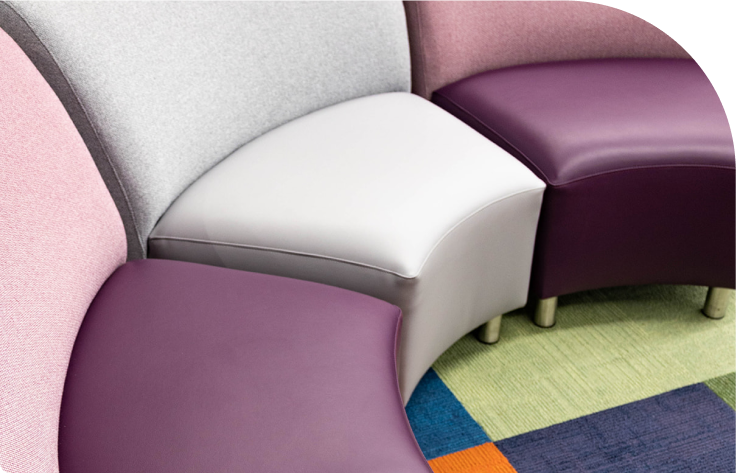
Students are more likely to dive into a book if they feel physically at ease. Create reading corners with comfortable reading chairs that suit all age groups. For primary schools, beanbags or modular lounges are perfect, while high-back armchairs or ergonomic lounge seating are great choices for senior students.
Tip: Look for soft seating options that support posture while still feeling relaxed. Choose materials that are easy to clean and durable enough for high-traffic areas.
2. Smart Library Shelving Units
Library shelving units play a functional and aesthetic role. Open, low-height shelves make books more accessible to younger students, while mobile shelving allows flexible layout changes for events or reading programs.
Consider these types of shelving:
- Wall-mounted units to maximise vertical space
- Mobile trolleys for rotating book displays
- Face-out shelving to highlight featured titles
Make sure shelving is labelled clearly to help students find genres, authors, or topics on their own.
3. Versatile Study and Work Tables
School libraries also double as study zones. Offer a mix of table sizes to accommodate both group work and solo study. Adjustable-height tables and modular furniture help future-proof the space, allowing teachers and librarians to reconfigure layouts as needed.
Don’t: Use fixed, bulky tables that limit layout flexibility.
Do: Go for lightweight, stackable, or foldable tables that support multiple configurations
4. Tech-Friendly Zones
Modern libraries should cater to digital learning too. Incorporate charging stations, device stands, and furniture with built-in cable management. Tech tables and media stations should include ergonomic seating and adjustable lighting to support screen use.
5. Quiet Nooks and Collaborative Areas
Balance is important. Provide quiet zones for silent reading alongside open areas for small group collaboration. Acoustic partitions, bookcases, and furniture placement can help define these zones without the need for walls.
Choosing the Right Furniture Partner
When planning a school library upgrade, it’s crucial to work with a furniture provider that understands the unique needs of educational spaces. Abax Kingfisher focuses on high-quality library furniture designed specifically for Australian schools. From shelving solutions to seating and tables, our range is built to last and keep up with modern teaching styles.
Don’t forget to also check out our school office furniture to maintain consistency across all learning and administrative spaces
Tips for Successful Library Furniture Planning
- Start with a layout plan. Map out different zones (reading, tech, study, etc.) before selecting furniture.
- Get student input. Let them try out different furniture options to see what they find comfortable and user-friendly.
- Consider accessibility. Make sure the aisles are wide enough for mobility aids and that shelves are easy to reach.
- Prioritise safety. All furniture should meet Australian safety standards and have rounded edges where possible.
- Think ahead. Choose modular furniture to accommodate future changes in student population or learning styles.
Create an Inspiring Space with Abax Kingfisher
An engaging library environment doesn’t just look inviting but supports student exploration, concentration, and curiosity. By investing in the right school library furniture, schools can build flexible, inclusive, and welcoming spaces where students excel.
Looking to transform your library? Discover custom-fit furniture options with Abax Kingfisher and design a school library that prepares students for a successful future.
Related Posts